The Problem
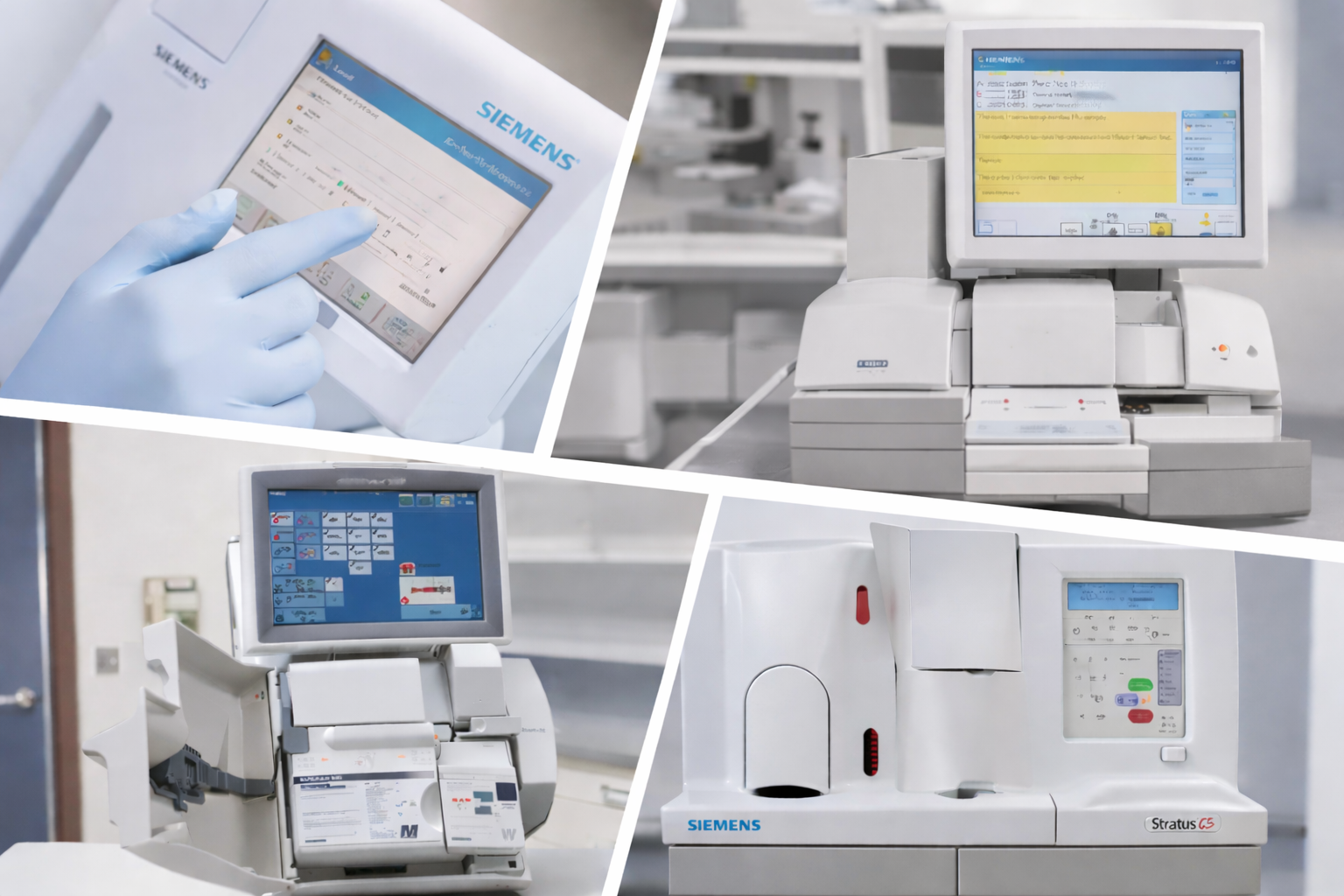
Prior to Polaris, each device was developed independently, resulting in fragmented user experiences and duplicated effort across teams.
This created several critical challenges:
- Inconsistent interaction patterns across devices
- Redundant UI components and parallel engineering efforts
- Increased cognitive load for clinicians operating multiple systems
- Limited scalability for introducing new features across products
In a clinical setting—where speed, accuracy, and reliability are essential; these inconsistencies directly impacted usability and operational efficiency.
The opportunity was to move from designing individual interfaces to building a unified system that could scale across devices and teams.
My Role
As Product Designer (UX/UI), I contributed to transforming Polaris from a platform initiative into a scalable design system by:
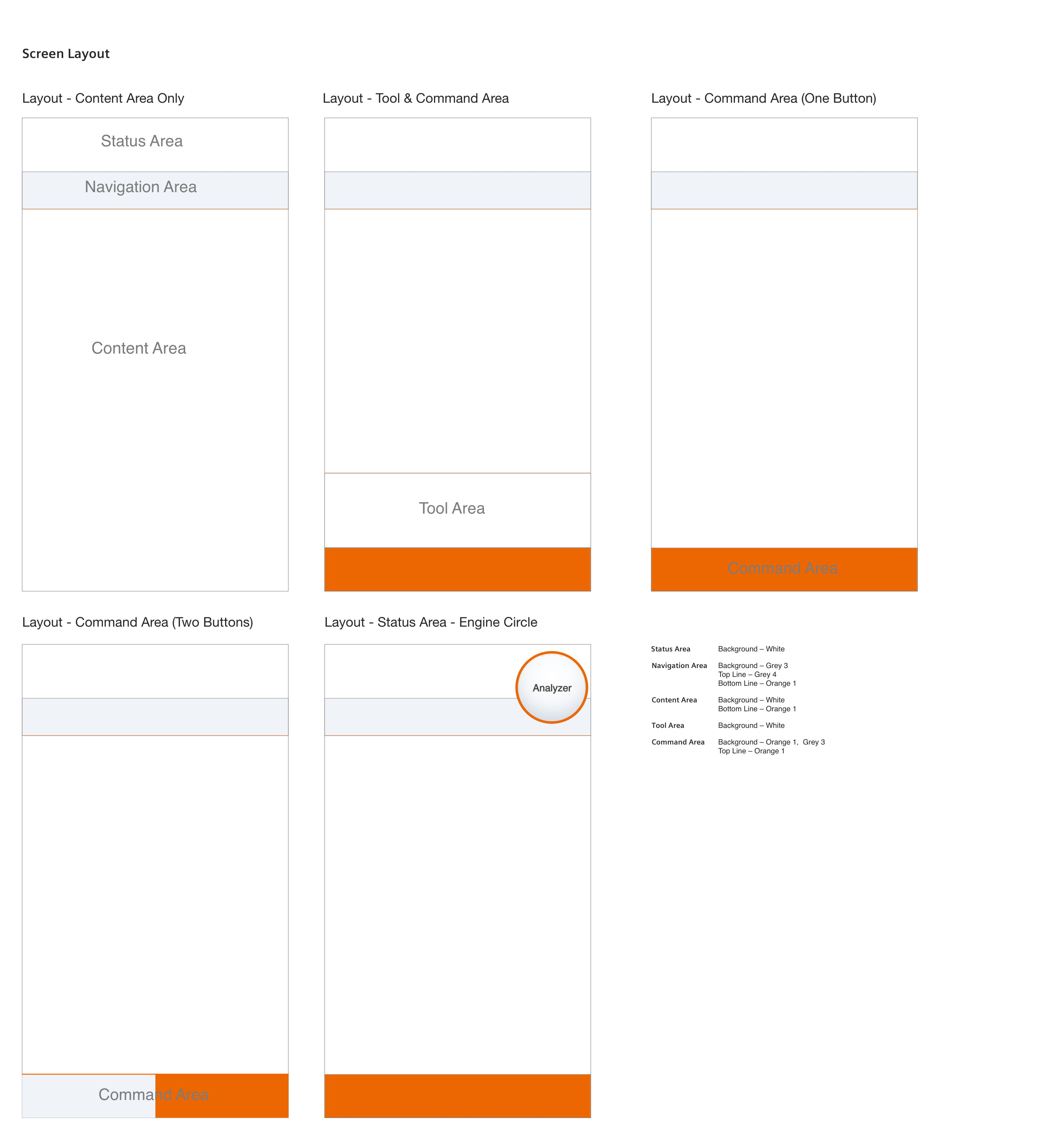
- Defining foundational design standards (tokens, typography, spacing, layout)
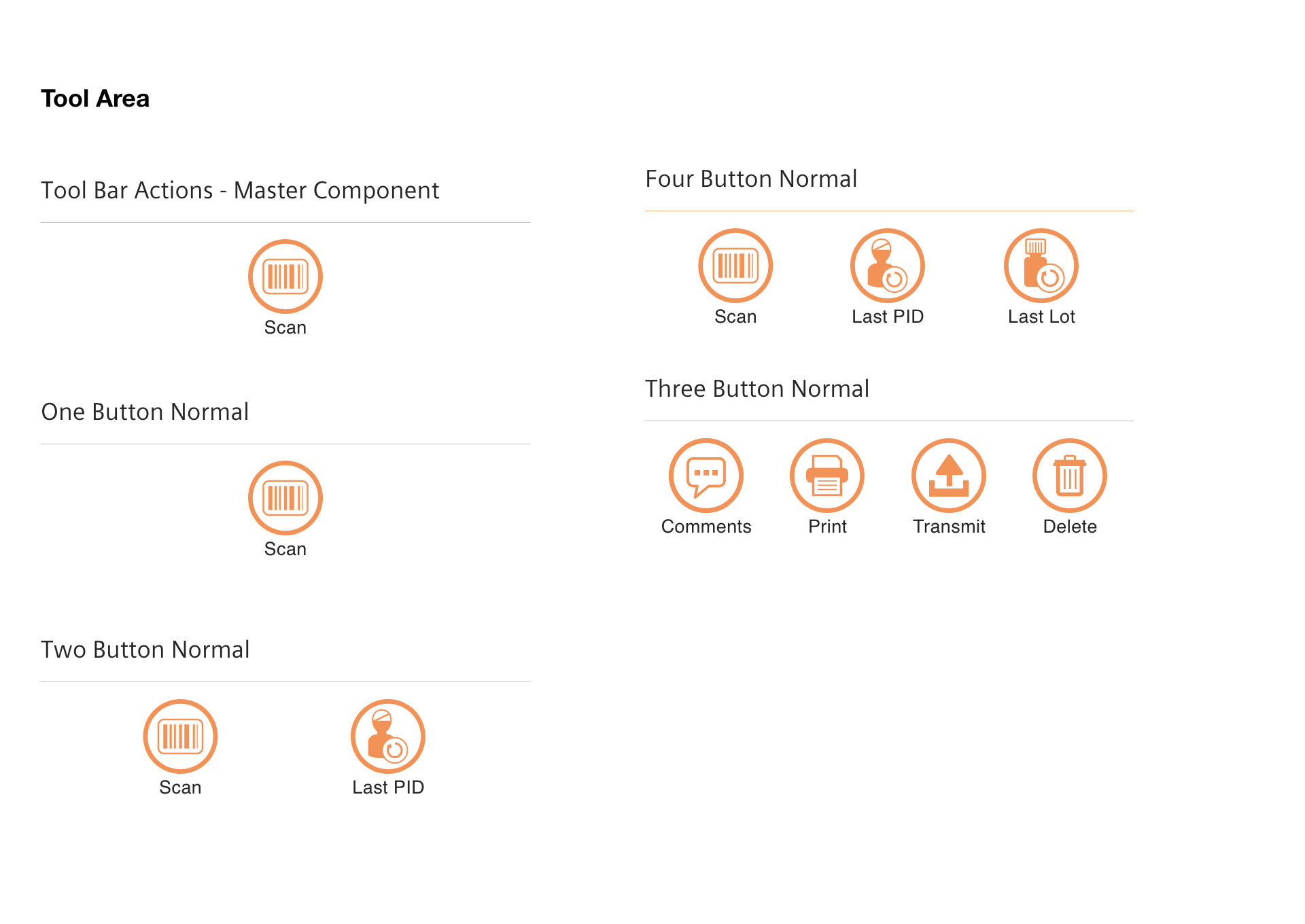
- Designing reusable, touch-optimized UI components for clinical environments
- Standardizing workflows across key diagnostic processes
- Translating UX patterns into structured, repeatable system logic
- Collaborating closely with engineering to align design with software architecture
This work required systems thinking within a regulated medical environment, balancing usability, technical constraints, and safety requirements.
Approach
1. System Audit & Pattern Inventory
I began by analyzing existing device interfaces to identify inconsistencies in layout, navigation, and interaction patterns. This revealed:
- Significant duplication across products
- Lack of standardized workflows
- Inconsistent feedback and error handling patterns
This audit established the foundation for system-level standardization.
2. Workflow Standardization
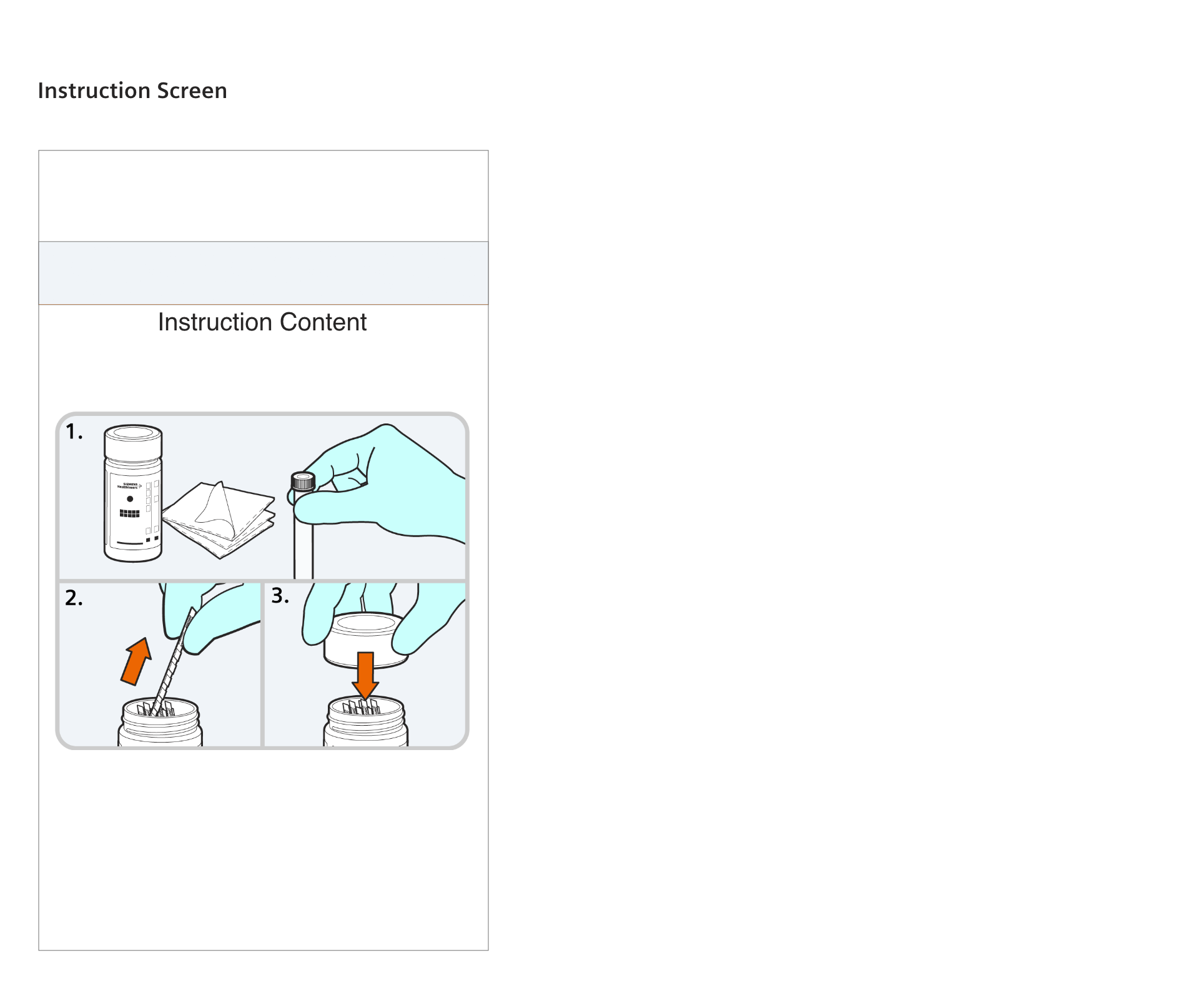
Rather than focusing solely on UI components, I mapped core clinical workflows, including:
- Patient sample analysis
- System setup and configuration
- Error handling and recovery
These workflows were redesigned into repeatable, consistent interaction models, reducing variability across devices and improving usability under time-sensitive conditions.
3. Component & Token System
To support scalability, I defined a structured design system consisting of:
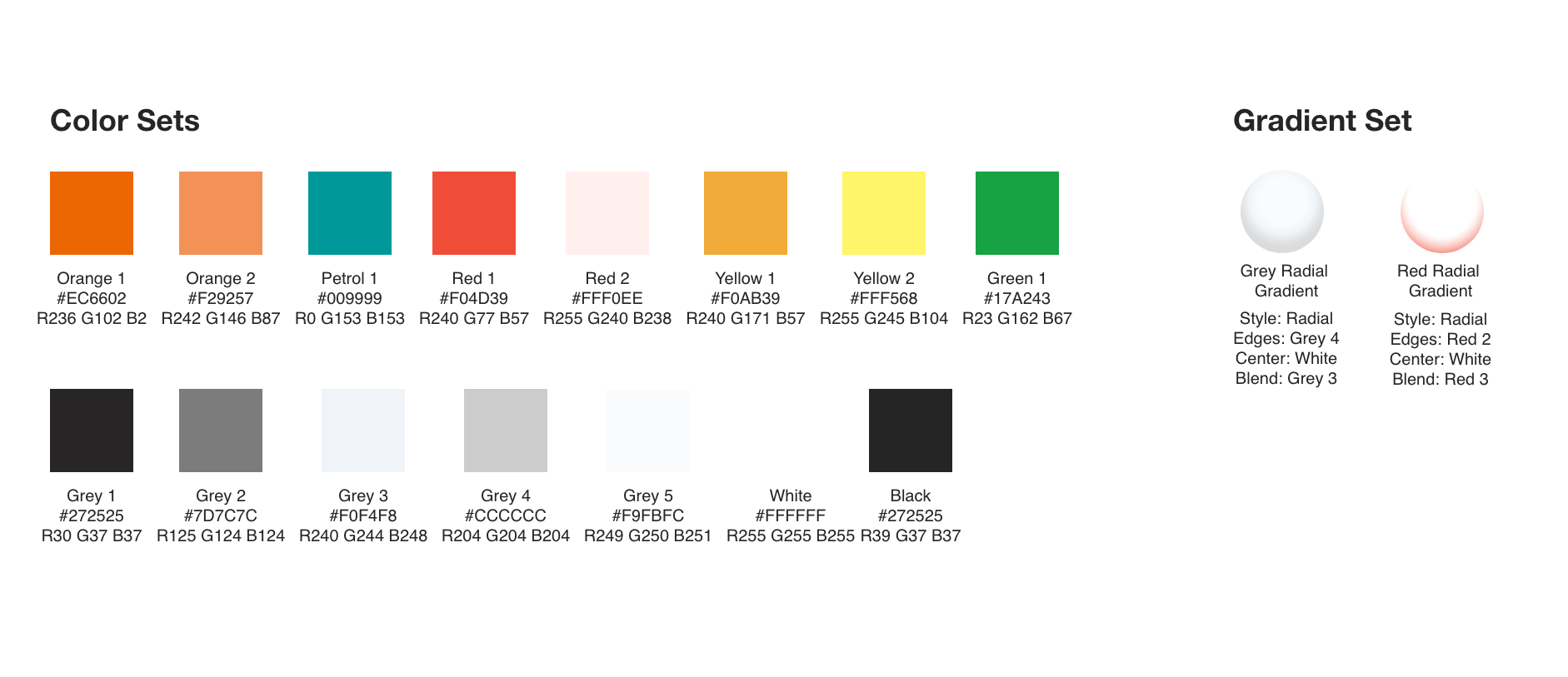
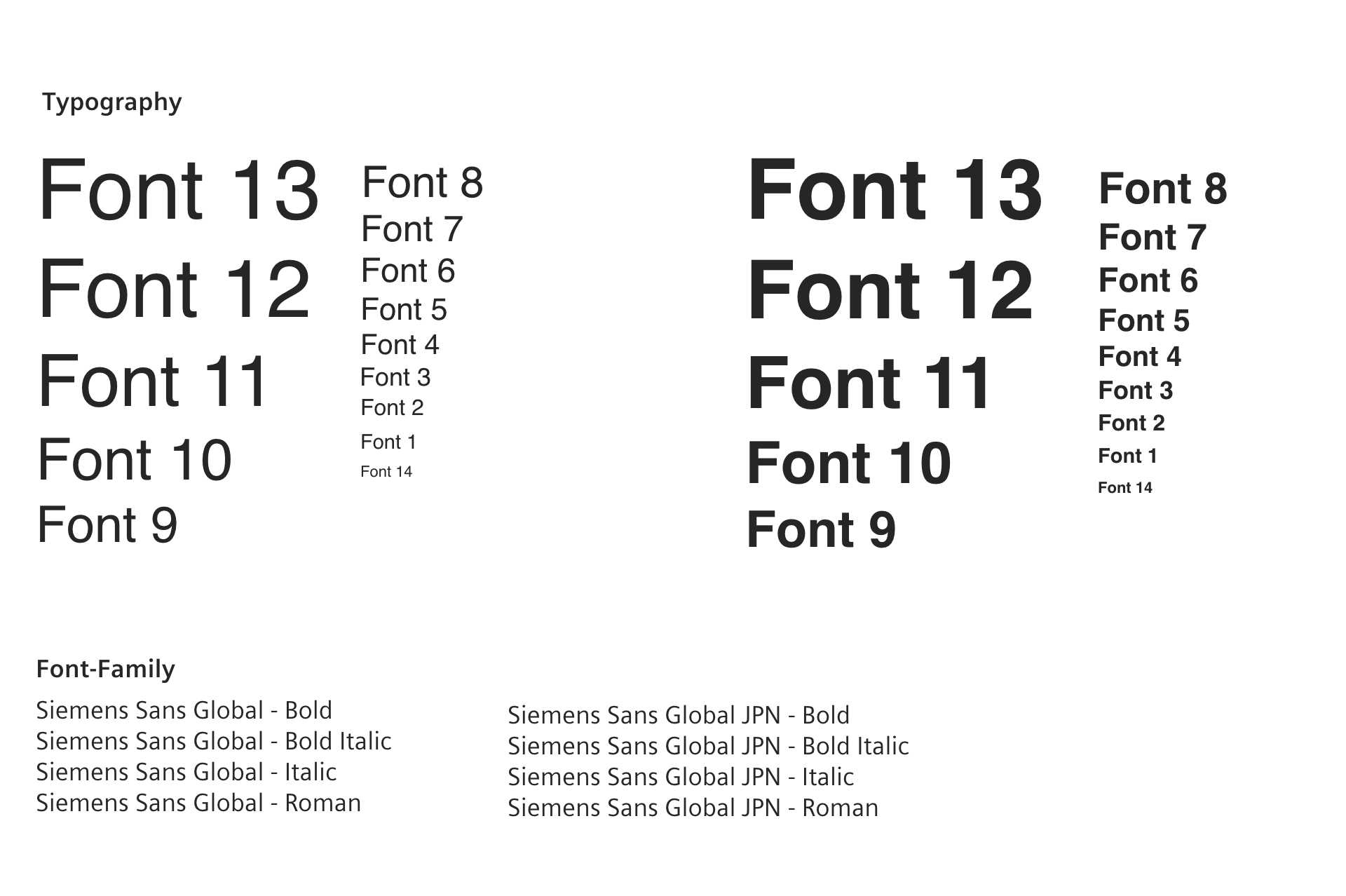
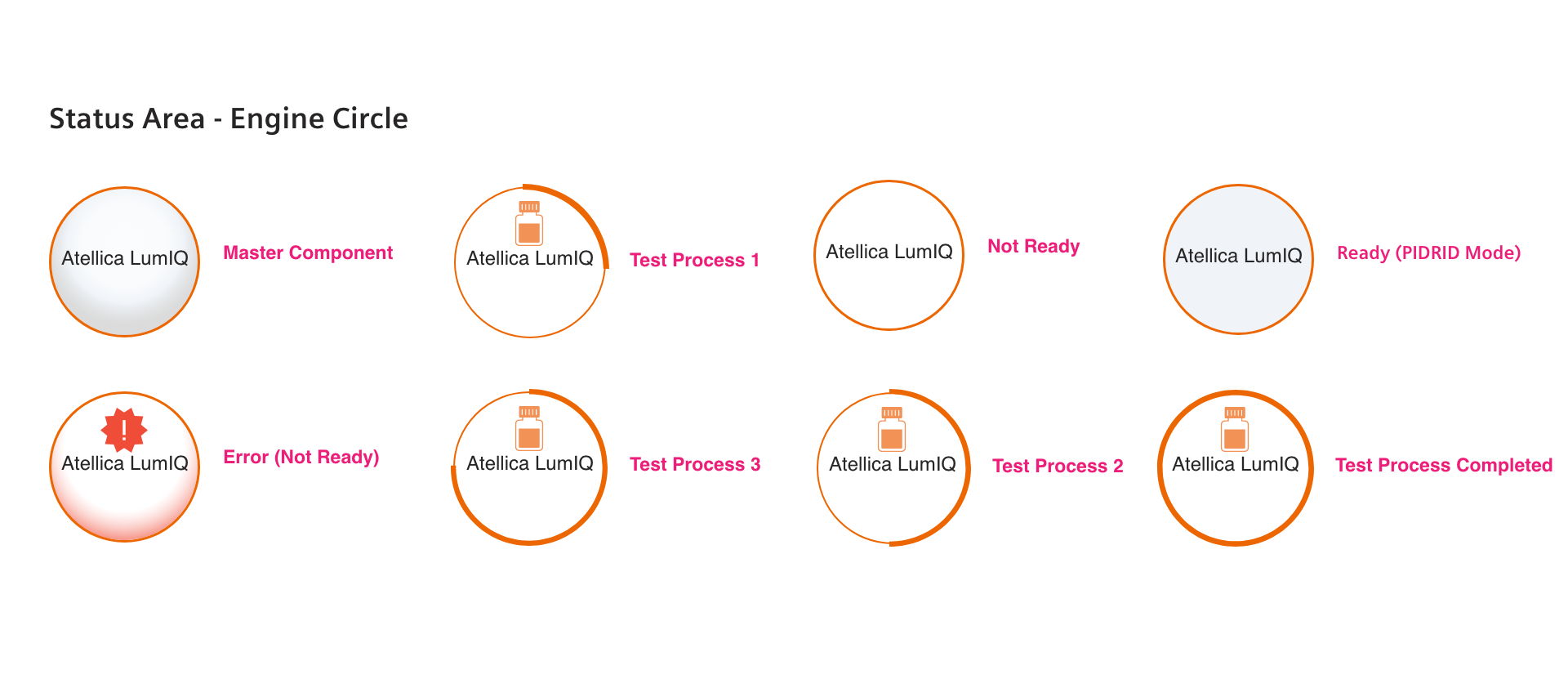
- Design tokens: color, typography, spacing, elevation
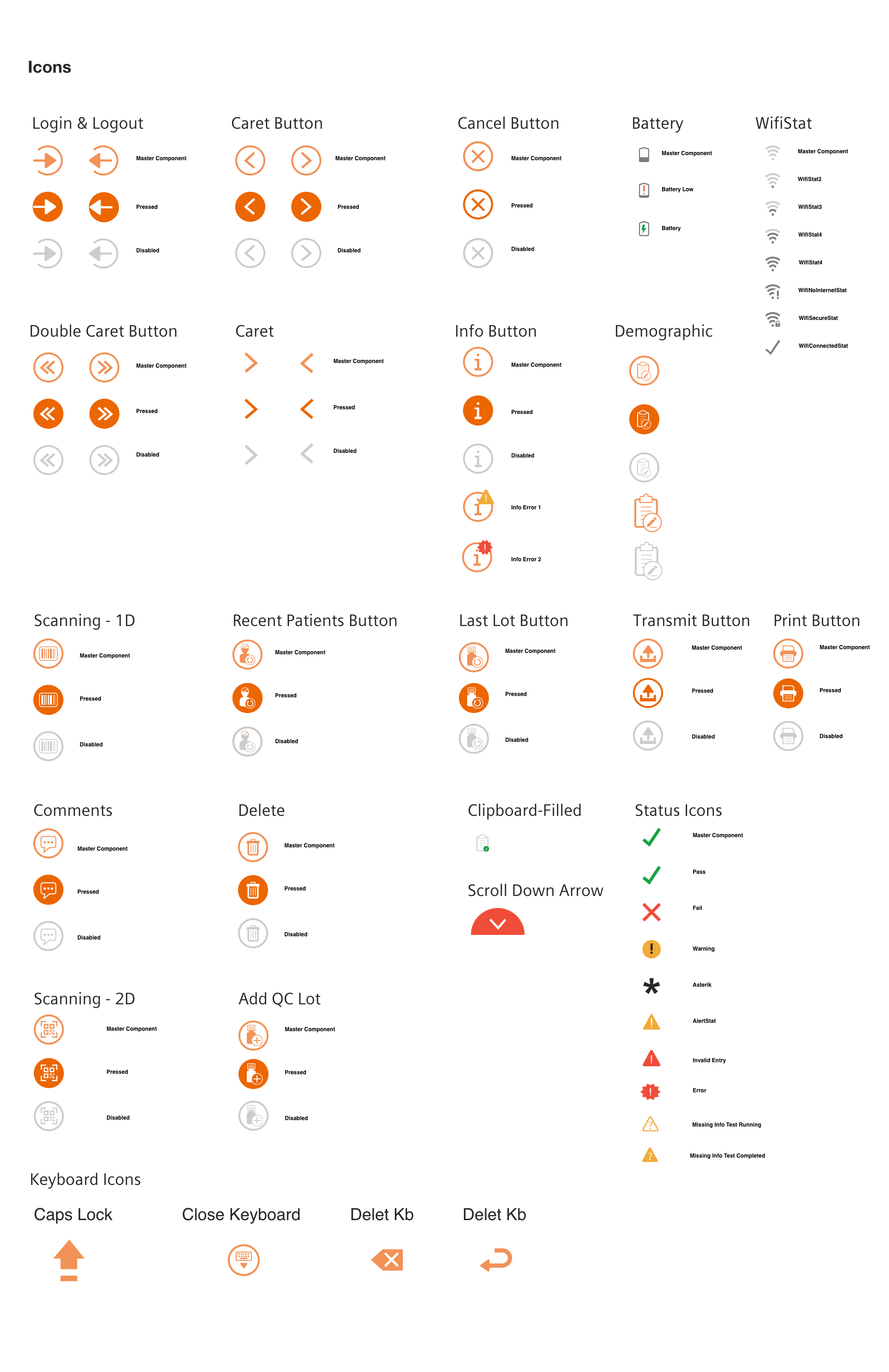
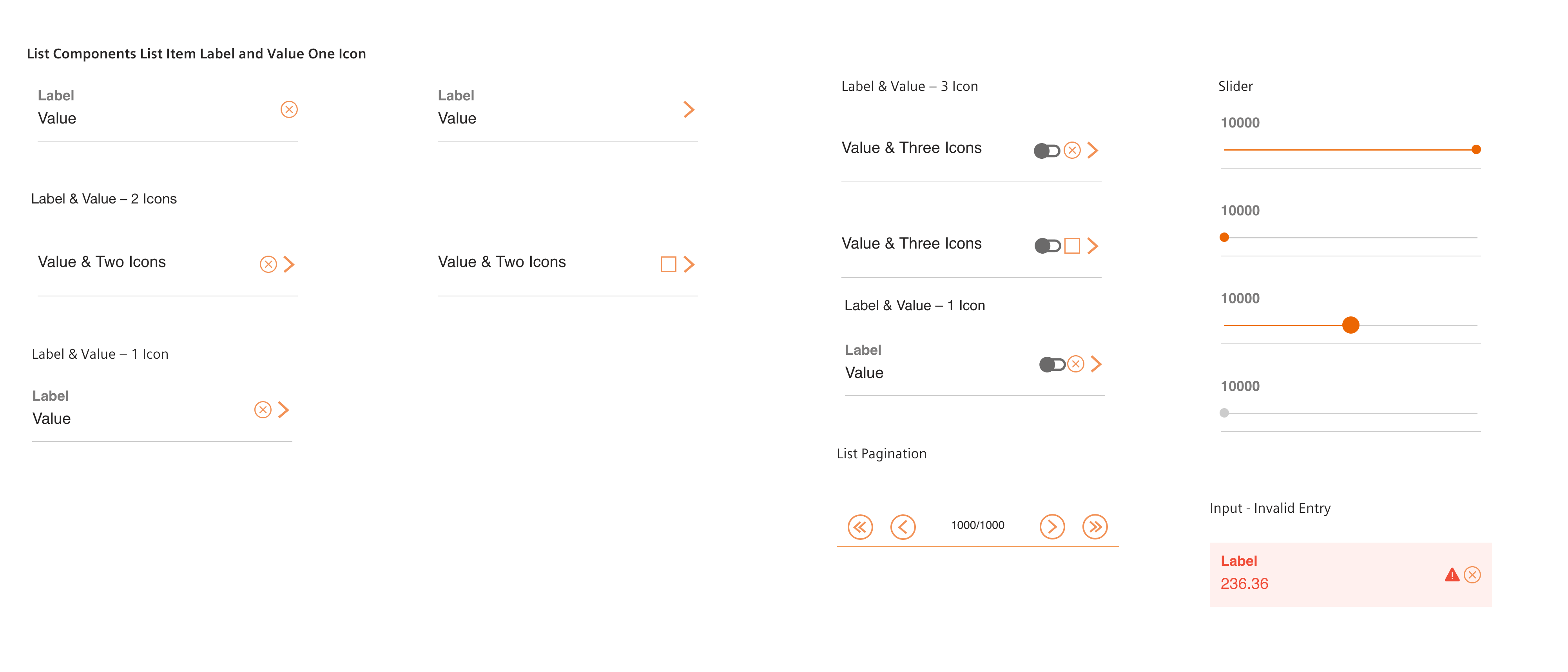
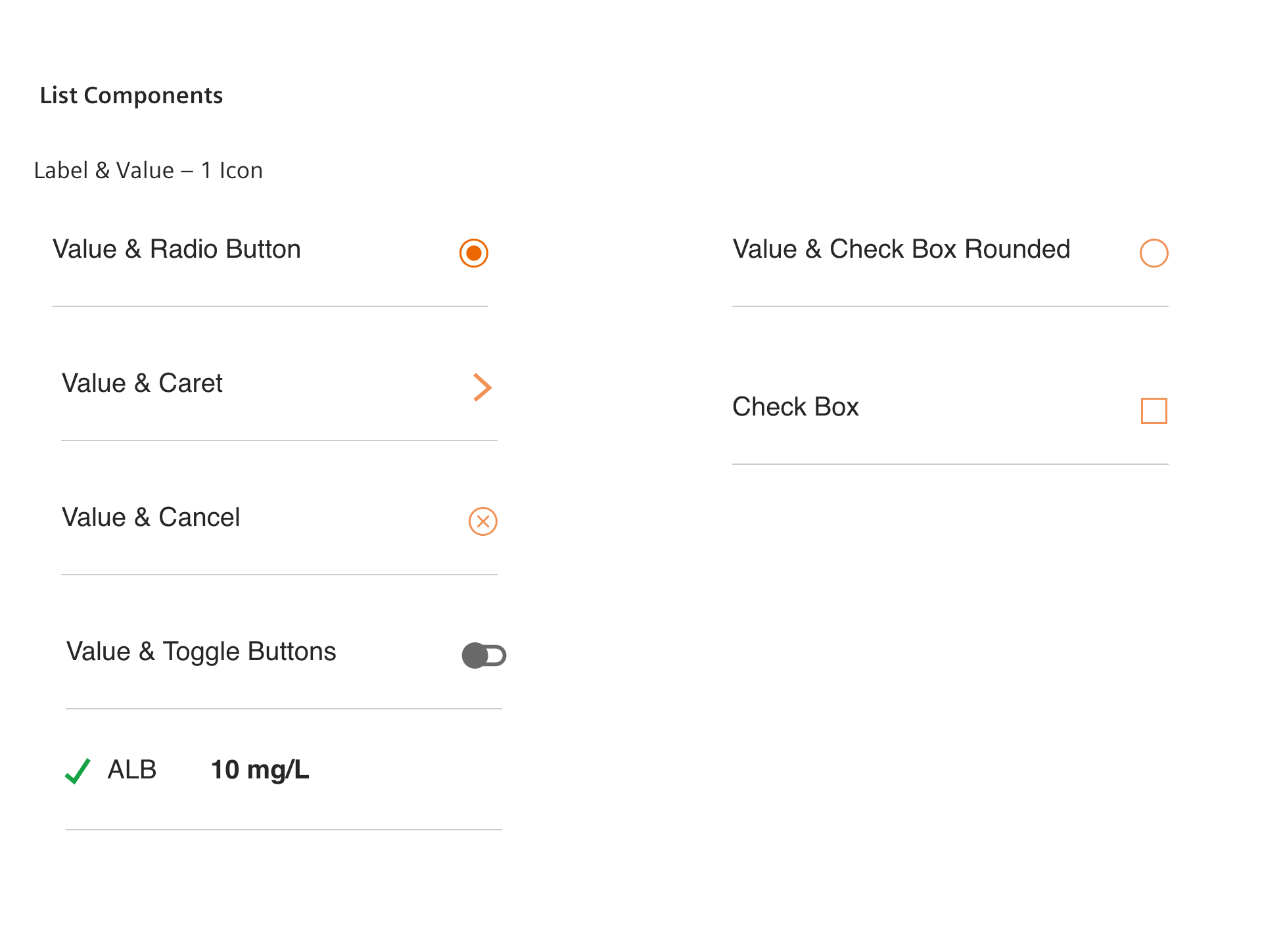
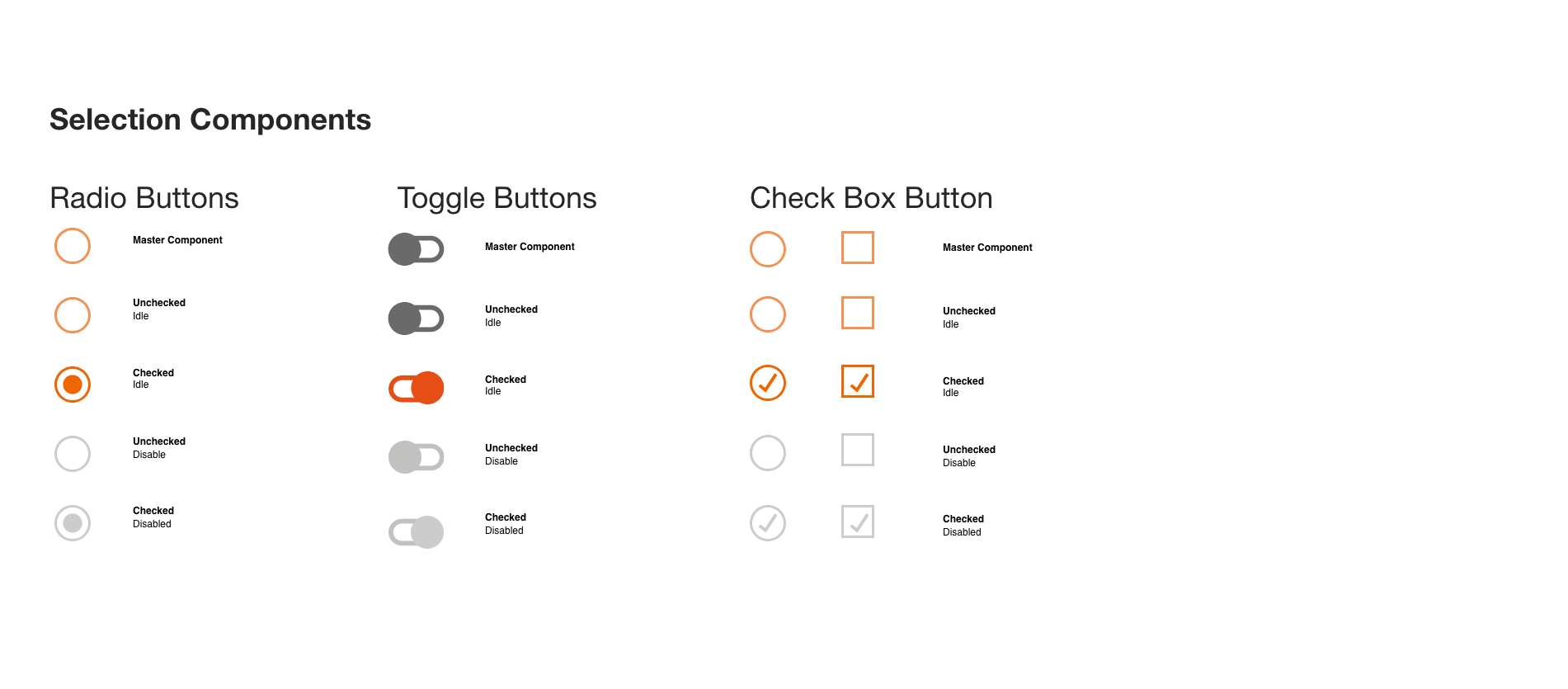
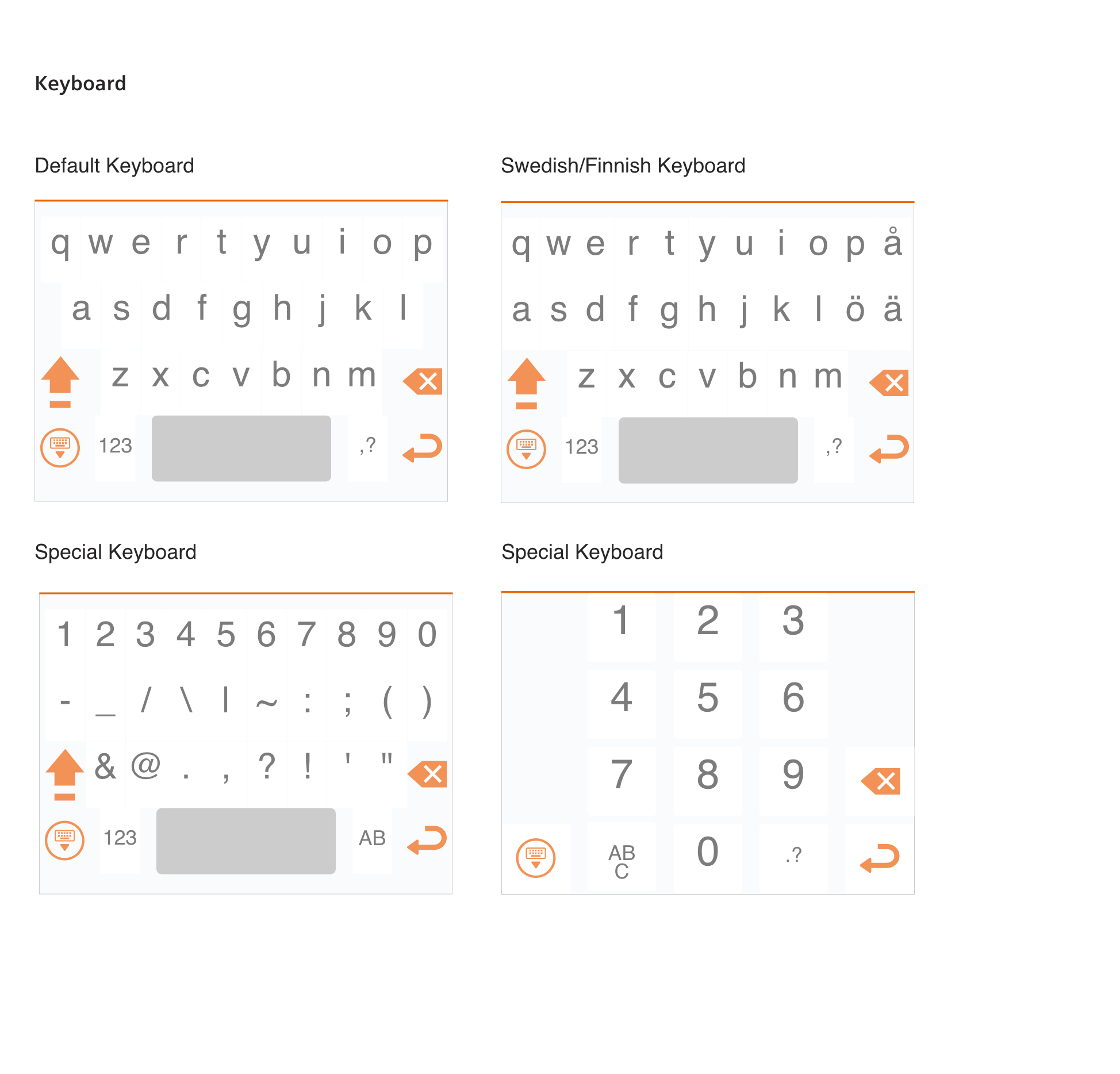
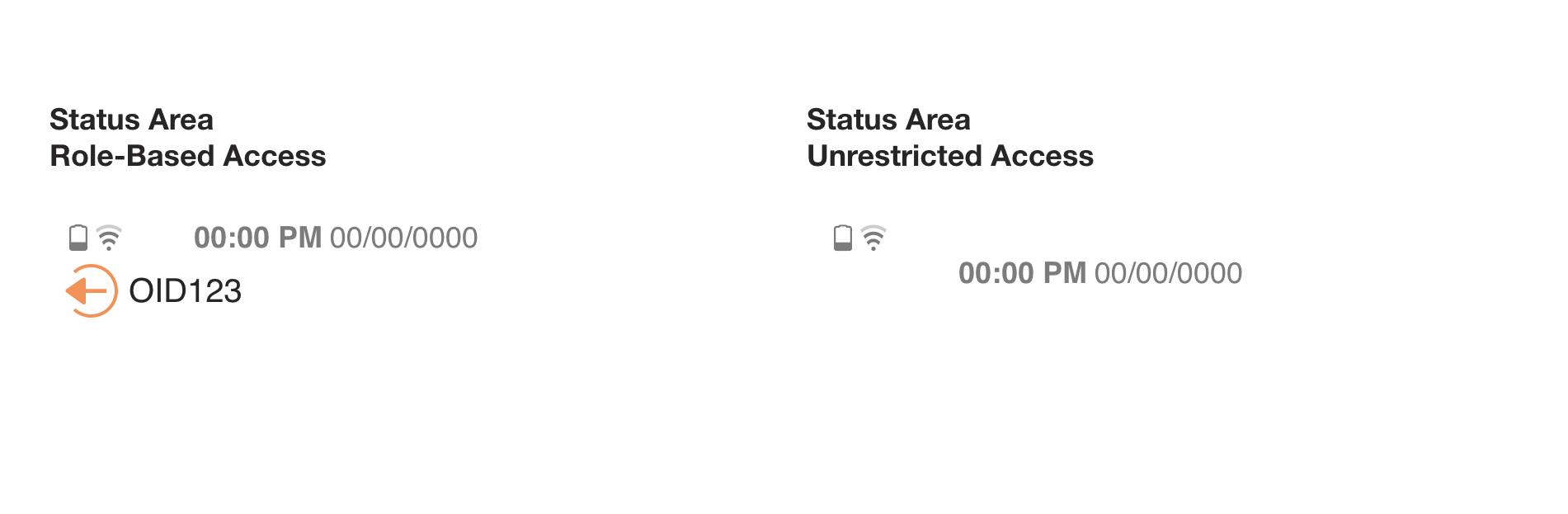
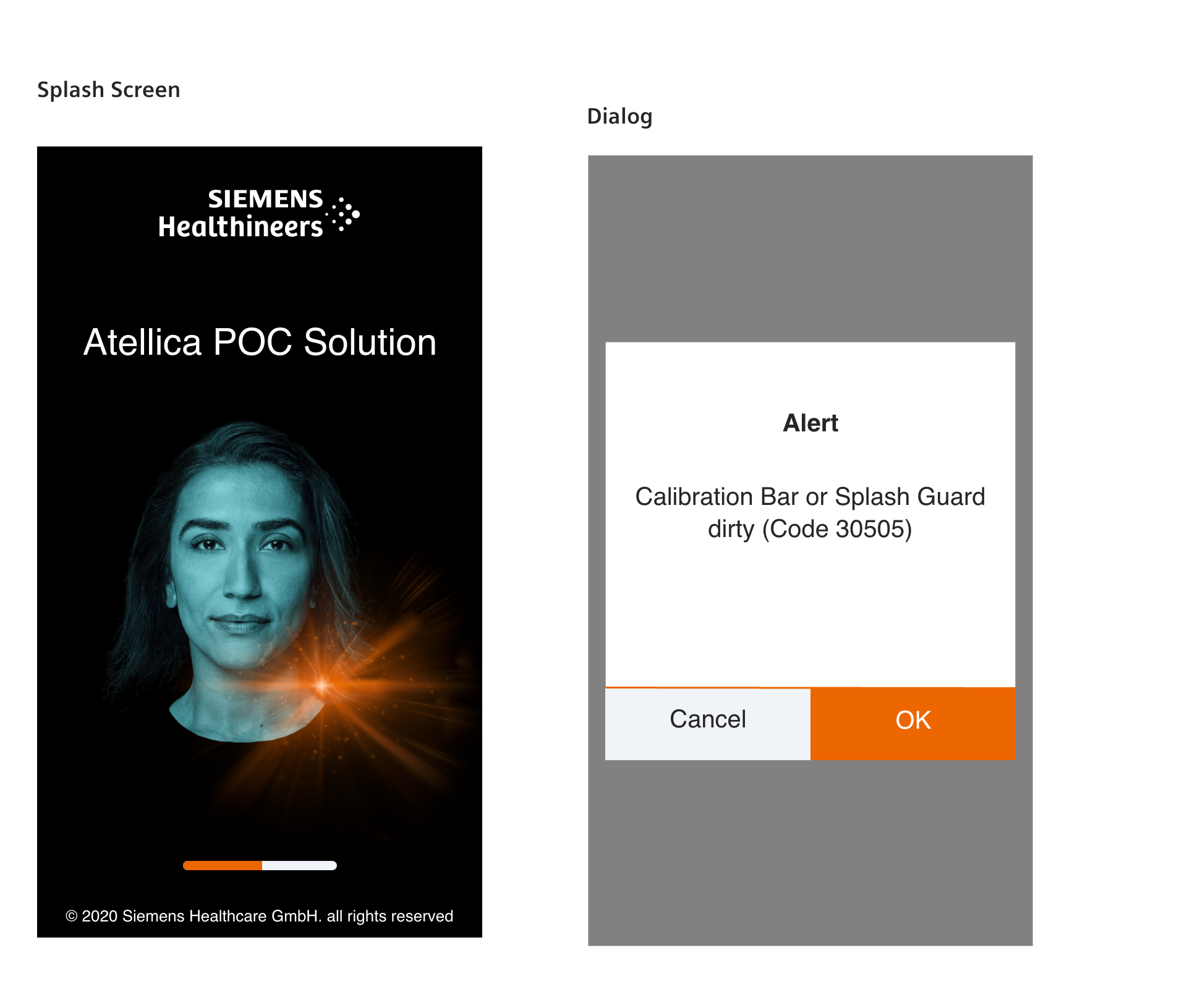
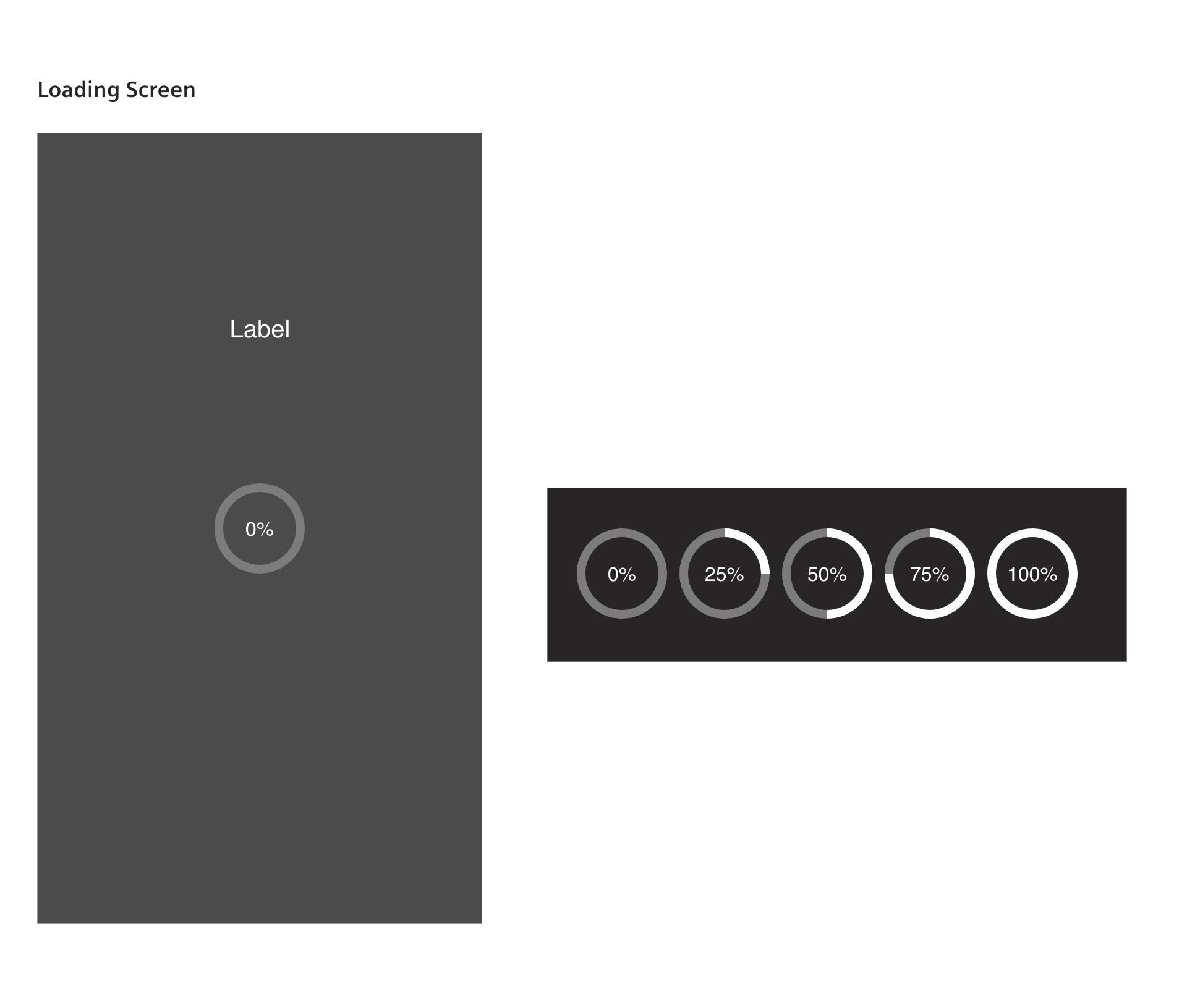
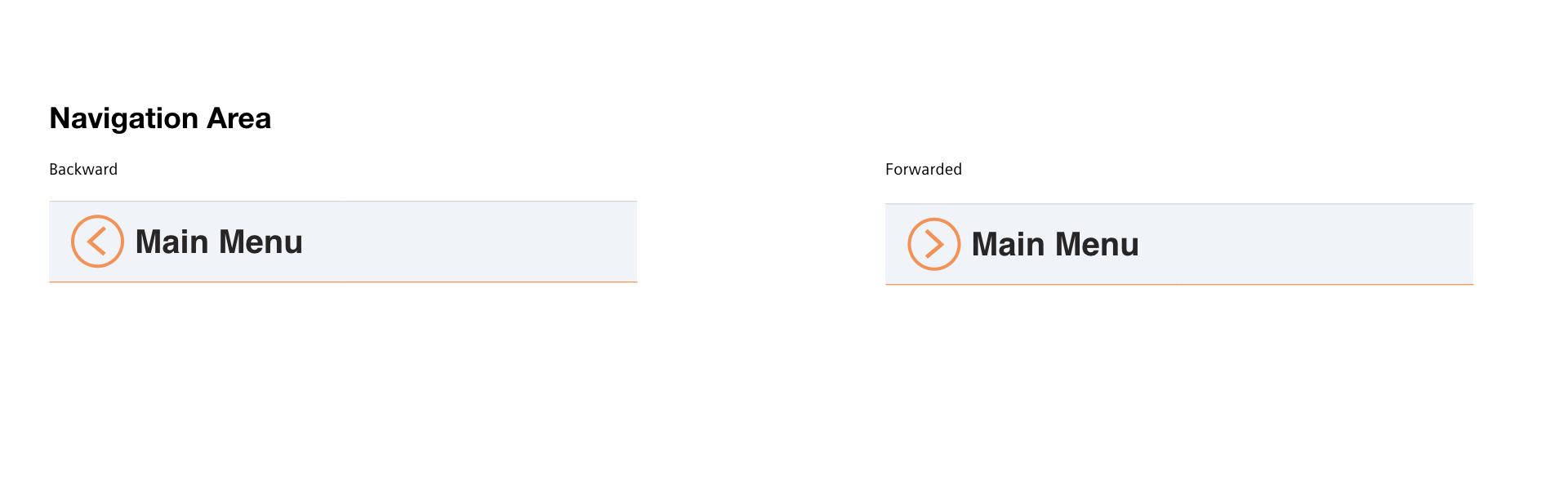
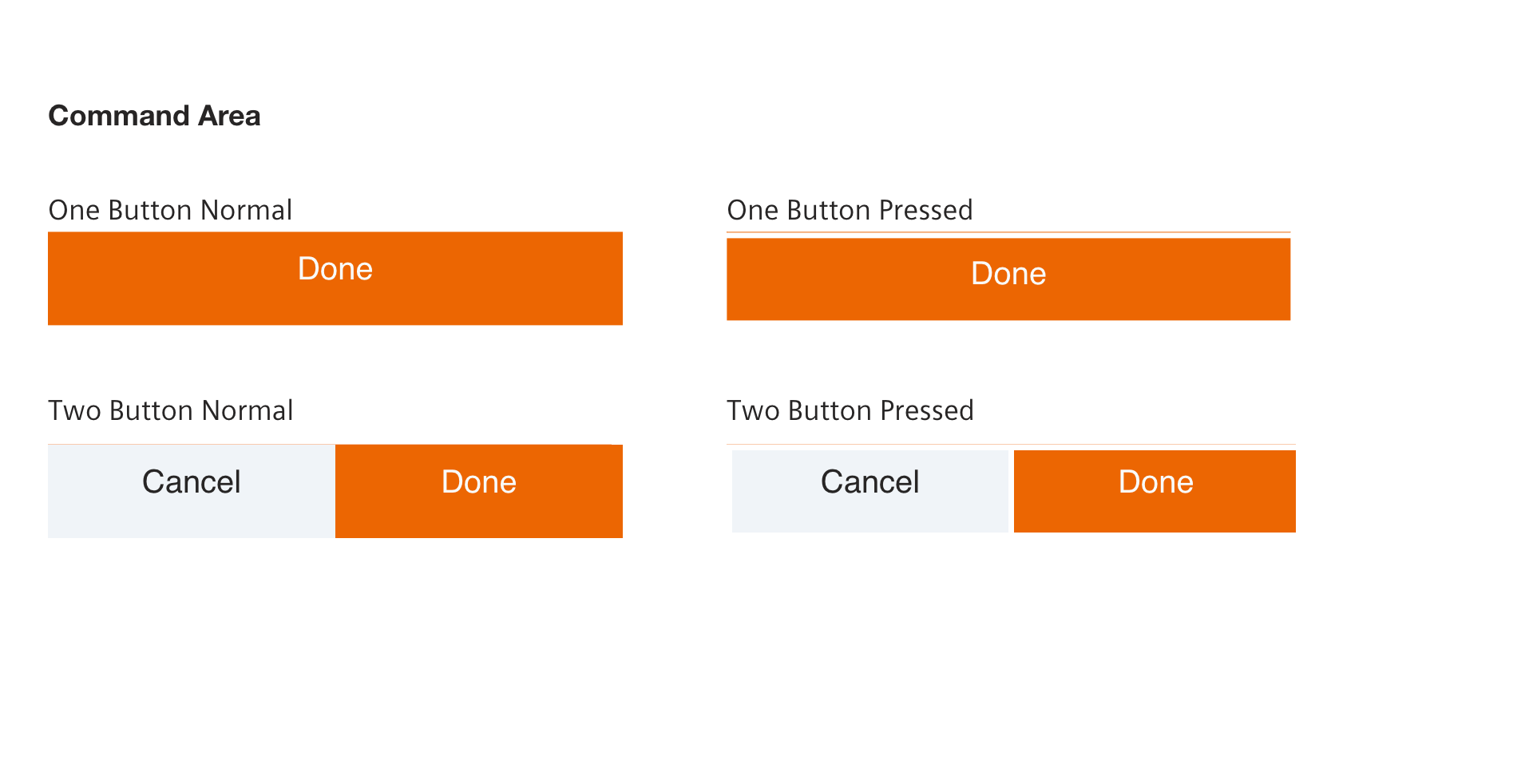
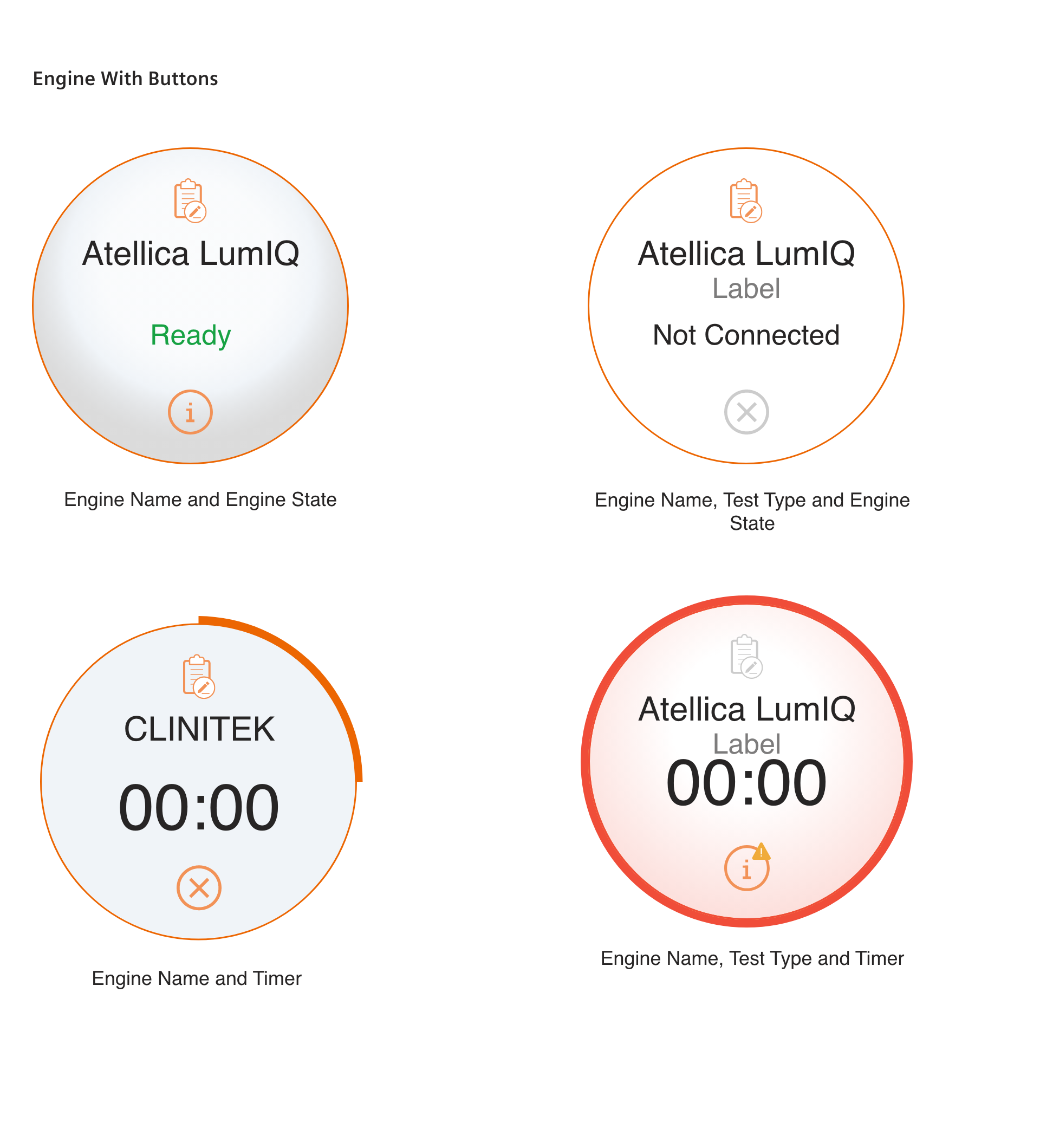
- Reusable components: input fields, alerts, data display modules
- Interaction patterns: system feedback, validation states, error prevention
Each component was designed with touch interaction, clarity, and reliability in mind, ensuring usability in clinical environments.
4. Workflow Standardization
A critical part of the system’s success was aligning design with software architecture. I worked closely with engineering to:
- Map UI components to reusable software modules
- Define consistent interaction states across the system
- Ensure workflows could be implemented and scaled across multiple devices
This transformed the design system from a visual guideline into a shared blueprint for both design and development.
Designing for a Regulated Environment
Unlike consumer products, the Polaris design system needed to account for clinical safety, traceability, and compliance. Key considerations included:
- Validation of critical inputs (e.g., patient data, device pairing)
- Clear and immediate system feedback for all user actions
- Error prevention through constrained interactions
- Standardized workflows to reduce operator variability
These constraints shaped Polaris into a safety-first system, where usability directly supports clinical accuracy and reliability.
Impact
The Polaris design system enabled a shift from fragmented product development to a cohesive, scalable platform. Key outcomes included:
- A consistent user experience across multiple diagnostic devices
- Reduced training complexity for clinicians through standardized workflows
- Reusable design and engineering components, minimizing duplication
- Faster implementation of new features across products
- A scalable foundation for future product expansion
More importantly, Polaris changed how teams approached product development; moving from designing isolated interfaces to building a unified system.
Outcomes
The creation of the Polaris design system enabled:
- A consistent user experience across multiple point-of-care devices
- Reduced training complexity for clinicians
- Reusable design and engineering components, accelerating development
- A scalable foundation for future product expansion
More importantly, it shifted the organization from designing individual interfaces to building a cohesive product ecosystem.

Key Learnings
Polaris marked a shift in my approach from interface design to systems-level thinking. I learned that:
- Scalable design requires defining structure, not just visuals
- Workflows are as critical as components in complex systems
- Early alignment with engineering is essential for system adoption
- Designing in regulated environments requires balancing usability with safety and compliance
Most importantly, this work reinforced the value of designing systems that enable teams; not just interfaces that serve users.